
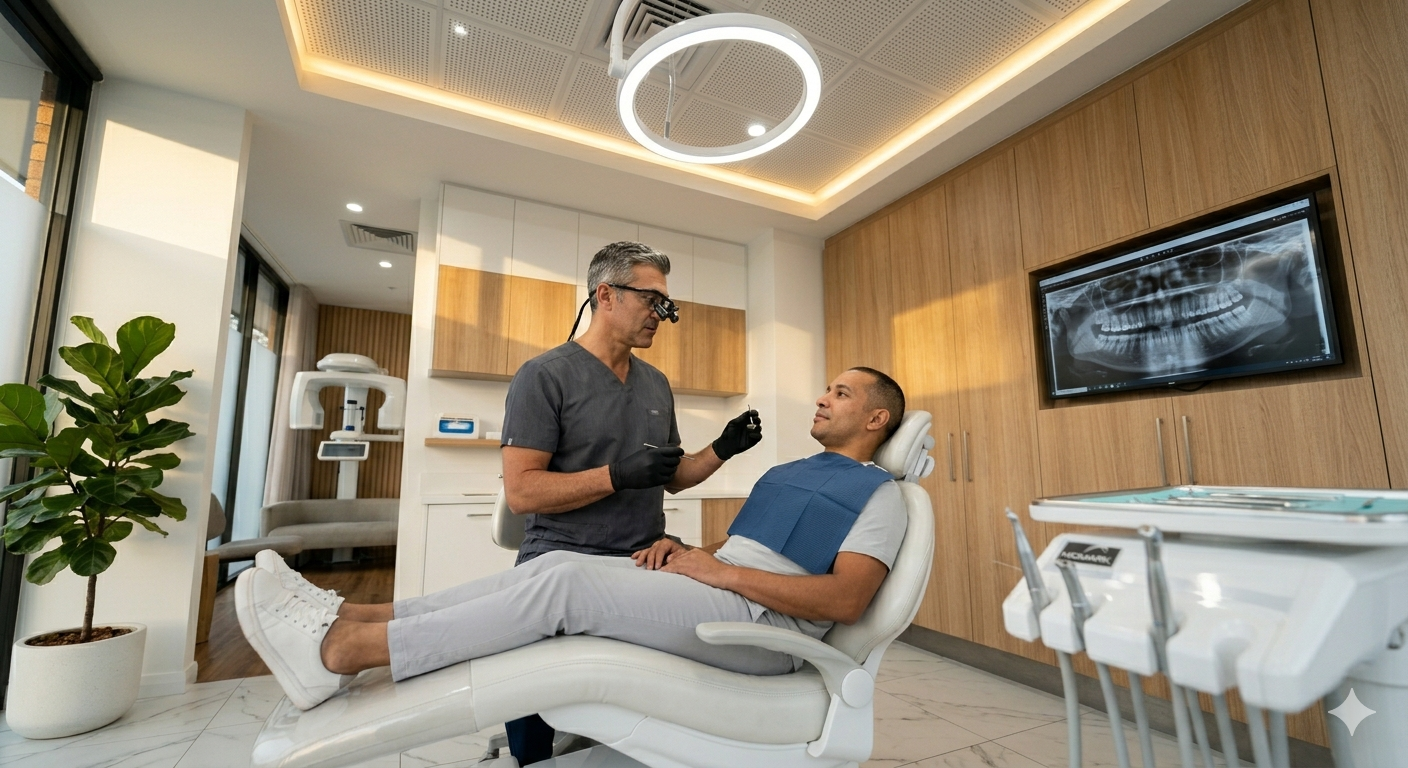
Dental implants in Tigard, OR, offer a reliable and natural-looking solution for those missing one or more teeth. They provide a strong foundation that looks, feels, and functions like real teeth, making everyday activities like eating and speaking easier and more comfortable.
Many people worry about discomfort or the complexity of the procedure, but modern dental implant techniques focus on patient comfort and quick recovery. Tigard dental professionals use advanced tools and personalized care to guide patients through every step with ease.
If someone is considering dental implants, understanding the process and benefits can ease uncertainty. Local dentists in Tigard encourage people to ask questions and explore their options to find the best fit for healthy, confident smiles.
What Are Dental Implants?
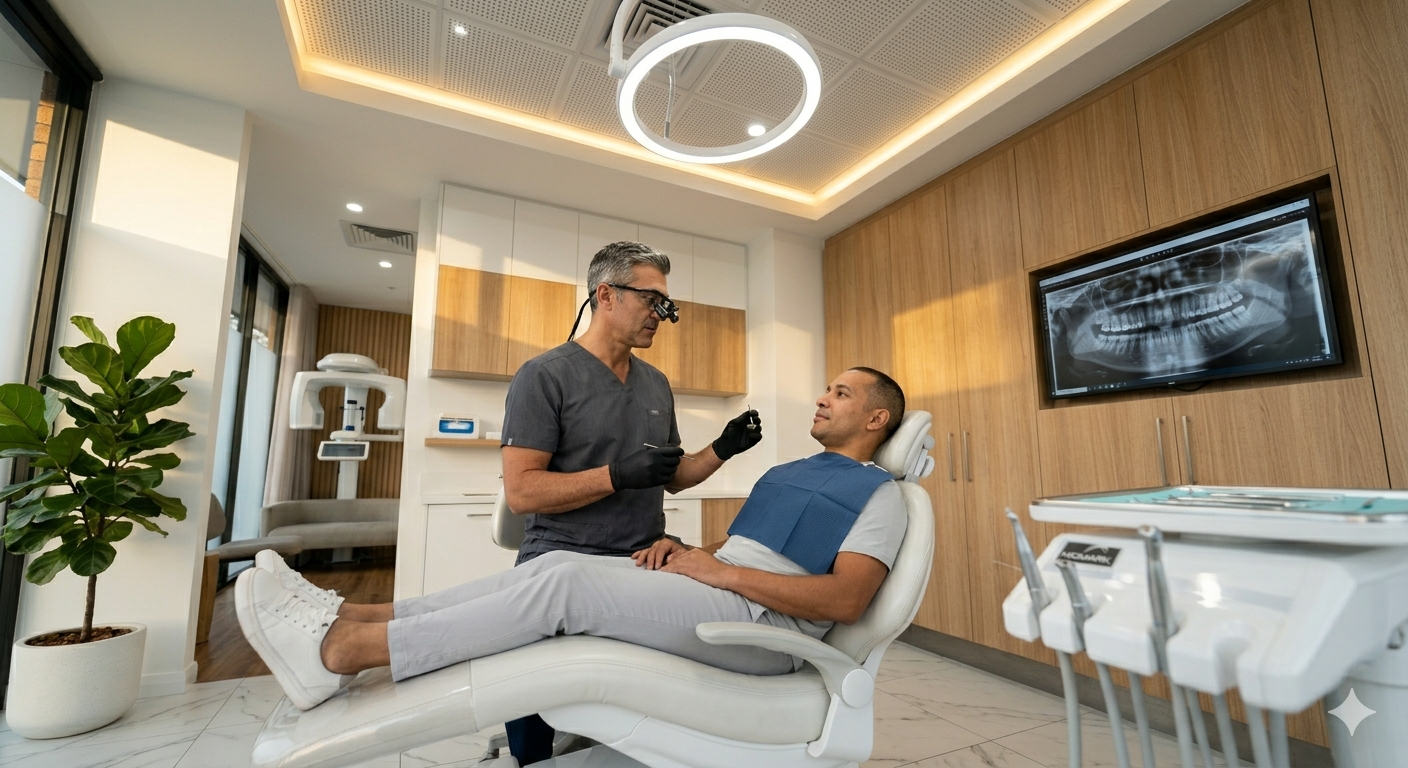
Dental implants are carefully designed to replace missing teeth in a way that feels natural and lasts for many years. They integrate with the jawbone to provide a strong foundation for new teeth and come in different types and components suited to individual needs.
How Implants Replace Missing Teeth
Dental implants act like artificial tooth roots that are placed into the jawbone. After they fuse with the bone—a process called osseointegration—they provide sturdy support for crowns, bridges, or dentures. This stability helps patients chew and speak confidently.
Unlike traditional dentures, implants don’t slip or cause bone loss over time. They maintain the shape of the face and jaw by stimulating bone growth, which is often lost when teeth are missing. This makes implants a preferred choice for long-term oral health.
Different Types of Dental Implants
There are several types of dental implants depending on the patient’s situation. The most common is the endosteal implant, which is surgically placed into the jawbone and typically shaped like a small screw. This type works well for most cases.
Another option is the subperiosteal implant, which sits on top of the bone but beneath the gum, used when bone height is insufficient. For certain cases, mini implants offer a less invasive alternative, especially when space is limited.
Each type is selected based on factors like jawbone condition, number of missing teeth, and overall oral health. This personalized approach ensures the best fit and function.
Components of a Dental Implant
A dental implant has three main parts: the implant post, the abutment, and the prosthetic tooth.
- The implant post is the titanium screw embedded into the jawbone, acting as the root.
- The abutment connects the post to the visible part of the tooth.
- The prosthetic tooth (crown, bridge, or denture) sits on top, designed to look and function like a natural tooth.
Together, these parts work seamlessly to restore both appearance and chewing ability. Materials like titanium ensure durability and biocompatibility, making the implant a stable, long-lasting solution.
Who Is a Good Candidate?
Dental implants in Tigard, OR are an effective solution for many, but not everyone is immediately ready for the procedure. The candidate’s oral health, bone strength, and lifestyle habits play vital roles in determining success.
Oral Health Considerations
Good candidates must have healthy gums free from significant inflammation or infection. Conditions like gum disease can jeopardize implant stability, so treating any infection beforehand is essential. Regular dental check-ups help identify issues such as untreated cavities or oral infections that need resolution before moving forward.
Maintaining excellent oral hygiene is equally important. Candidates should be committed to brushing, flossing, and routine cleanings, as implants require care similar to natural teeth. Those with chronic oral problems may need additional treatment to prepare for implant placement.
Bone Health and Jaw Support
Adequate bone density and volume in the jawbone are critical for securing dental implants. Candidates who have experienced long-term tooth loss or bone resorption might require bone grafting to rebuild sufficient jaw support. Without enough bone, implants may fail to integrate properly.
A dental professional will assess bone health using X-rays or 3D imaging to measure thickness and density. Areas with thin bone may not support implants right away, but modern techniques often allow for effective bone augmentation when needed.
Lifestyle Factors Affecting Treatment
Certain lifestyle habits can influence whether dental implants are a good fit. Smoking significantly raises the risk of implant failure by impairing healing and reducing blood flow to the gums. Candidates who smoke should be willing to quit before and after the procedure.
Other factors include overall health conditions such as diabetes, which can slow healing, and medications affecting bone metabolism. Candidates need to share their full medical history with their dentist. A strong commitment to follow-up care and avoiding habits like teeth grinding also improves long-term success.
The Treatment Journey
Understanding what to expect during the dental implant process can make the experience more reassuring. The journey includes an initial evaluation, a detailed surgical procedure, and a recovery period that leads to a strong, natural-feeling tooth replacement.
Initial Consultation and Assessment
The process begins with a thorough dental exam. The dentist reviews your oral health, takes X-rays, and sometimes 3D scans to assess bone density and structure. This information helps determine if you’re a good candidate for implants.
Medical history and lifestyle factors like smoking or diabetes are also discussed. These can affect implant success. Your dentist creates a personalized treatment plan based on this detailed assessment, explaining the options and answering any questions to ensure you feel comfortable and informed.
Step-by-Step Implant Placement Process
The implant procedure usually starts with local anesthesia or sedation for comfort. First, the oral surgeon places a titanium post into the jawbone, acting as the implant’s root. This step might take around 30 to 60 minutes per implant.
After placement, the gum is stitched closed to protect the site. Over the next few months, the implant fuses with the bone in a process called osseointegration, providing a stable foundation. Later, an abutment is attached, followed by a custom-made crown that matches your natural teeth in look and feel.
Timeline for Recovery and Results
Initial healing after surgery typically takes about one to two weeks, during which mild swelling and discomfort are common but manageable with prescribed medications. Osseointegration requires three to six months, depending on individual healing speeds and bone quality.
During recovery, regular check-ups ensure the implant is integrating correctly. Once healed, the permanent crown is placed, restoring chewing function and appearance. Patients usually regain normal dental function and confidence shortly after the final restoration, with proper care extending the implant’s lifespan for many years.
Benefits of Choosing Implants
Dental implants offer a reliable way to replace missing teeth, improving how people eat, speak, and smile. They support oral health and provide a comfort level that many traditional options cannot match.
Restoring Confidence and Function
Dental implants look and function like natural teeth. This helps patients regain their smile without worrying about slipping or clicking, which can happen with dentures. Eating favorite foods becomes easier, improving overall nutrition and enjoyment of meals.
Implants also prevent speech problems caused by missing teeth or unstable dentures. By securely anchoring the replacement tooth, they allow for clear pronunciation. This boosts confidence in social and professional settings.
Long-Term Oral Health Advantages
Unlike bridges, implants do not require altering adjacent teeth. This preserves more of the patient’s natural tooth structure. Implants also help stop bone loss that usually follows tooth loss by stimulating the jawbone.
Maintaining dental implants is similar to caring for natural teeth, which encourages good habits. This protects oral health and reduces the risk of decay and gum disease around supporting teeth.
Comfort Compared to Other Solutions
Implants eliminate the discomfort of removable dentures, such as sore spots and eating restrictions. Because they fuse directly with the jawbone, they feel stable and natural.
Patients often say implants feel like their own teeth, offering ease in daily activities without worrying about movement. This makes implants a preferred choice for long-term comfort and peace of mind.
Modern Technology and Techniques in Tigard
Dental implant procedures in Tigard use precise tools and careful methods to improve patient outcomes. This includes advanced imaging for accurate planning and gentle techniques that reduce discomfort and speed healing.
Digital Imaging for Planning
Dentists in Tigard rely on 3D digital imaging to get a complete view of the jawbone and surrounding structures. This technology, such as cone beam computed tomography (CBCT), creates detailed images that help pinpoint the best implant position.
Using digital scans ensures the implant fits perfectly with natural teeth and supports long-term stability. It also allows the dentist to avoid sensitive areas like nerves or sinuses, lowering risks during surgery.
Before placing the implant, the dentist can simulate the procedure on the computer. This planning step makes the entire process smoother and more predictable, giving patients peace of mind.
Minimally Invasive Procedures
Minimally invasive dental implant techniques are becoming the norm in Tigard clinics. Instead of large incisions, dentists use smaller openings, which means less pain and faster recovery.
Tools like guided surgical stents assist in placing implants with high accuracy through tiny entry points. This approach often eliminates the need for stitches, lowering infection risk.
Patients typically report less swelling and discomfort after surgery. Because these methods focus on preserving as much healthy tissue as possible, healing times improve, and many can return to normal activities sooner.
This careful approach reflects Tigard dentists’ commitment to comfortable, patient-friendly care during dental implant treatments.
Caring for Your New Smile
Maintaining dental implants involves consistent care and regular attention to keep them healthy and functional for years. Proper habits and timely dental visits play a big role in protecting your investment and ensuring your smile stays bright and comfortable.
Daily Maintenance Tips
Taking care of dental implants daily is similar to caring for natural teeth but with a few extra considerations. Using a soft-bristled toothbrush, brushing twice a day helps remove plaque buildup around the implant and gum line.
Daily flossing or using interdental brushes cleans hard-to-reach areas between the implant and adjacent teeth. Avoid harsh or abrasive toothpaste, as it can wear down the implant crown. Rinsing with an antimicrobial mouthwash can reduce bacteria and keep gums healthy.
Patients should also watch their diet. Avoid sticky or excessively hard foods that could put pressure on the implant. Drinking plenty of water supports oral hygiene and helps flush away food particles.
Professional Checkups
Regular dental visits are essential to monitor the health of implants and surrounding tissues. Typically, a checkup every six months allows the dentist to assess the implant’s stability and catch any early signs of trouble.
During these appointments, the dental team will clean around the implant using special tools that won’t damage its surface. X-rays may be taken to evaluate bone levels and ensure there is no hidden infection or bone loss.
Professional evaluations also check the fit and condition of the implant crown or bridge. Timely interventions preserve implant longevity and overall oral health.
Protecting Your Investment
Protecting implants means avoiding behaviors that could cause damage or complications. Teeth grinding, known as bruxism, can place excessive force on implants. Wearing a custom night guard helps absorb pressure and prevent fractures.
Tobacco use negatively affects healing and increases the risk of implant failure. Quitting smoking contributes to better gum health and implant success.
It’s important to avoid using implants as tools, such as opening packages or biting hard objects. This reduces the chances of loosening or damaging the implant restoration.
Patients should communicate any discomfort or changes promptly to their dentist for early care and peace of mind.
What to Expect During Recovery
Recovery after getting dental implants involves several key steps to ensure proper healing and comfort. Patients should plan for some discomfort along with clear actions to help the process go smoothly.
Managing Discomfort
After the implant procedure, mild to moderate pain and swelling are common for a few days. Over-the-counter pain relievers like ibuprofen or acetaminophen usually manage this effectively. Ice packs applied to the cheek can reduce swelling during the first 24-48 hours.
Bleeding or minor oozing around the implant site might occur but typically lessens within a day. It’s important to avoid disturbing the surgical area by not touching it with fingers or tongue. Patients should follow their dentist’s instructions carefully regarding prescribed medications or antibiotics if given.
Resting and limiting physical activity helps the body focus on healing. Sleeping with the head elevated can also decrease swelling and discomfort at night.
Tips for a Smooth Healing Process
Keeping the implant site clean is critical. Patients should rinse gently with a saltwater solution several times daily starting 24 hours after surgery to reduce bacteria. Brushing should be gentle near the implant area to avoid irritation.
Avoid smoking, as it delays healing and increases infection risk. Diet should consist of soft foods like yogurt, mashed potatoes, or soup for at least a week. Hot, spicy, or crunchy foods can irritate the site and should be avoided initially.
Regular follow-up appointments with the dental office are essential to monitor healing and detect any issues early. Patients should report unusual symptoms such as persistent pain, excessive swelling, or signs of infection right away.
Taking these steps helps ensure safe healing, supporting the long-term success of the dental implant.
Costs and Payment Options
Understanding the financial side of dental implants helps patients plan better. The price varies based on specific needs, and there are multiple payment choices to ease the process.
Factors Influencing Pricing
The cost of dental implants in Tigard depends mainly on several key factors. These include the number of implants needed, the type of implant used, and whether additional procedures like bone grafts or extractions are necessary.
Material quality also plays a role, with titanium implants typically costing more than alternative options. The experience of the dental specialist and the complexity of the case affect pricing as well.
Typical costs range from $3,000 to $5,000 per implant, including surgery and the implant crown. These prices may adjust depending on the clinic’s location, technology, and follow-up care needed.
Insurance and Financing Information
Most dental insurance plans cover only part of the implant procedure, such as the crown or preparation work, but rarely the full implant surgery. Patients should verify coverage with their provider beforehand.
Many Tigard dental offices offer flexible financing options. These include payment plans with low or no interest, third-party medical loans, or credit card use to spread out costs.
It’s helpful to ask about any available discounts or special promotions. Transparency in fees and payment terms allows patients to make comfortable, informed choices without unexpected expenses.
Why Choose a Local Expert in Tigard
Choosing a dental implant specialist nearby offers distinct benefits that go beyond convenience. Patients often experience more personalized attention and develop trust through ongoing relationships. Familiarity with local resources and a commitment to the community also enhance treatment quality and support.
Personalized Care Experience
Local experts in Tigard tailor their approach based on individual patient needs, lifestyles, and concerns. Because they see patients regularly, they understand medical histories and can customize implant plans to deliver comfortable, effective results. This personalized attention helps reduce anxiety, especially for first-time implant patients.
They often spend extra time explaining each step, answering questions, and ensuring patients feel confident before proceeding. This makes treatment smooth and less intimidating. Follow-up visits are easier to schedule, allowing for better monitoring and quick adjustments after surgery.
Community Connections
Dentists in Tigard understand the unique needs of their neighbors and maintain strong ties with local healthcare providers. This network means patients benefit from coordinated care, such as referrals to trusted specialists or labs nearby. It also ensures timely access to emergency support if needed.
Moreover, local clinics often participate in community health events and stay updated on regional trends affecting oral health. This active engagement supports prevention efforts tailored to Tigard’s population. Patients gain peace of mind knowing their implant care fits within a larger system focused on their wellbeing.
Taking the Next Step Toward a Healthier Smile
Choosing dental implants in Tigard, OR is a positive move for anyone ready to improve their oral health and confidence. A trusted dental team will guide patients through every phase with care and clear advice.
Before treatment, the dentist will evaluate the patient’s dental health, ensuring the jawbone and gums are strong enough to support implants. This step helps tailor the approach to each person’s unique needs.
Patients can expect a comfortable process, often with options to manage pain and anxiety. Many find the implant experience easier than anticipated.
After the implant is placed, maintaining good oral hygiene is key to long-term success. Regular checkups and gentle daily care keep the new teeth healthy.
Here’s what patients can do to prepare:
- Schedule a consultation to discuss options
- Ask about sedation or pain relief if nervous
- Plan for follow-up visits for monitoring progress
Taking this step is about more than just replacing a tooth—it’s about restoring daily comfort and improving overall wellbeing. Encouraging patients to ask questions and share concerns helps build trust and ease.
Dental implants offer a reliable, natural-feeling solution for missing teeth, supported by a caring local team ready to help.
Frequently Asked Questions
Dental implants involve various factors like cost, candidacy, and treatment timelines. Understanding options and provider qualities helps patients feel confident during their dental implant journey.
How much do full-mouth dental implants typically cost in Oregon, and what affects the price?
Full-mouth dental implants in Oregon usually range from $30,000 to $60,000, depending on the number of implants and the type of restoration. Factors like bone grafting, implant brand, and additional procedures can influence the final price.
Insurance coverage is often limited, so many patients explore financing options or payment plans.
Am I a good candidate for dental implants if I’m older or have health conditions like diabetes?
Age alone does not disqualify patients from implants. Good overall health and controlled medical conditions like diabetes are important for successful healing.
Dentists in Tigard will evaluate bone density and general health to ensure implants are a safe and effective option.
What’s the difference between dental implants, dentures, and implant-supported dentures?
Dental implants are titanium posts placed in the jawbone that replace tooth roots. Dentures are removable teeth replacements that rest on gums.
Implant-supported dentures attach to implants, providing extra stability and improving chewing compared to traditional dentures.
How long does the dental implant process take from start to finish, including healing time?
The full implant process usually takes 4 to 9 months. This includes initial consultation, implant placement, a healing period for osseointegration (3-6 months), and placement of the final crown or denture.
Some cases may use newer techniques to shorten healing times.
Will getting dental implants hurt, and what comfort or sedation options are available?
Most patients experience minimal pain due to local anesthesia during the procedure. Discomfort after surgery is manageable with over-the-counter pain relievers.
Sedation options like nitrous oxide or oral sedation are available for anxious patients to ensure a calm experience.
How do I choose the right implant provider in the Tigard area, and what should I look for in reviews?
Look for providers with specialized implant training and years of experience. Reading reviews about patient comfort, communication, and successful outcomes can give helpful insights.
Choosing a dentist who offers clear consultations and personalized treatment plans helps patients feel confident throughout their care.
