Wondering how much teeth whitening costs in Tigard, OR and whether it fits your budget? Most in-office whitening sessions in Tigard typically range from about $300 to $800, while take-home kits from local dentists usually cost $150 to $400 — offering a clear, budget-friendly choice depending on how quickly and dramatically you want results.
The neighborhood dental team explains the main options you’ll encounter: professional in-office treatments for fast, noticeable change; custom take-home trays for gradual brightening; and over-the-counter products for mild touch-ups. They also highlight how insurance, tooth sensitivity, and treatment add-ons can shift the final price, so you can plan realistically.
If you care about comfort, safety, and lasting results, the post will walk through what each option includes, potential payment plans, and practical tips for choosing the best path in Tigard. Expect straightforward comparisons and next steps that make booking a consultation or asking questions easy and low-pressure.
Understanding Whitening Options in Tigard OR
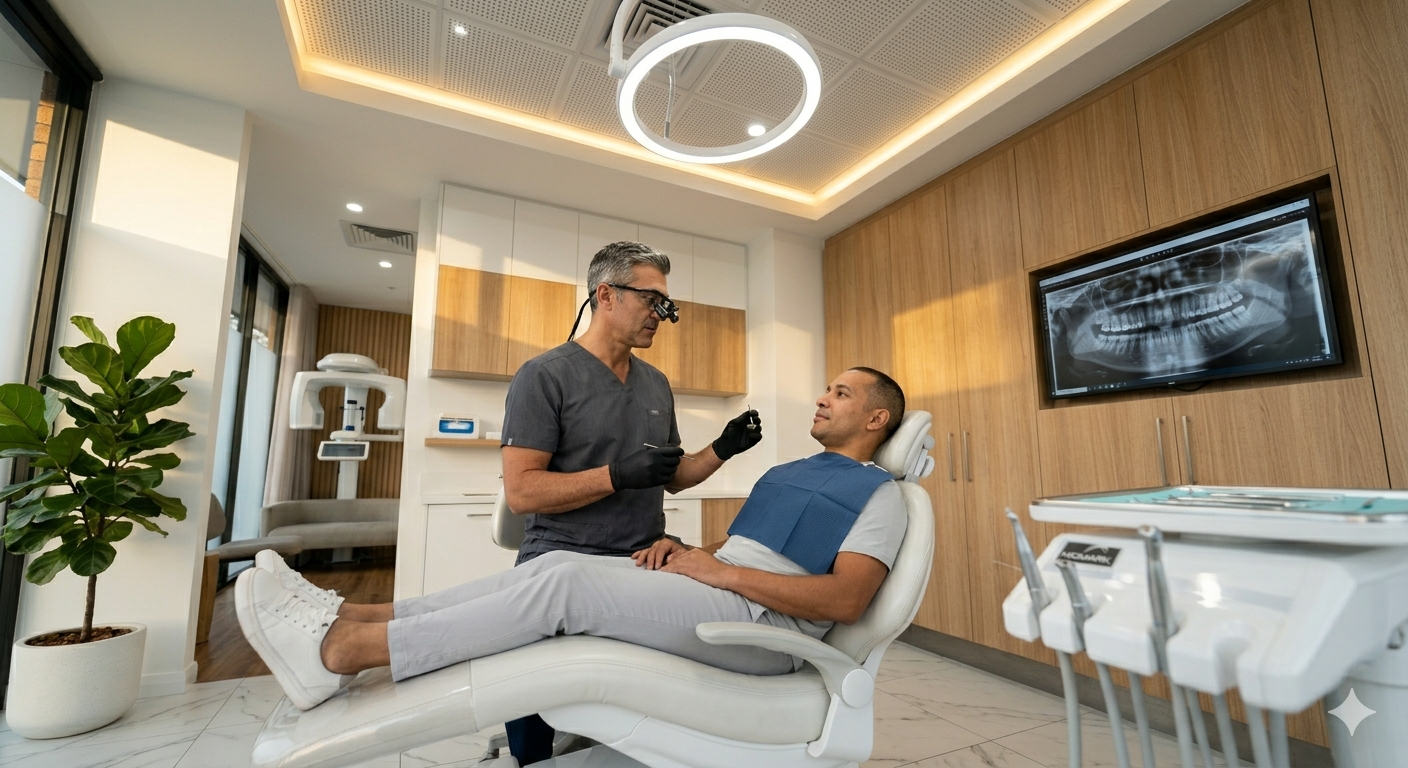
Local practices offer choices that balance speed, cost, and sensitivity. Patients can expect in-office whitening for fastest results, custom take-home kits for controlled at-home use, and over-the-counter products for lower-cost maintenance.
Professional In-Office Solutions
In-office whitening at Tigard dental offices uses higher-concentration hydrogen peroxide (typically 25–40%) and professional isolation to protect gums. Treatments usually run 45–90 minutes and can lighten teeth 4–8 shades in one visit, making this the fastest option for events or immediate aesthetic goals.
Dentists evaluate existing restorations first, because crowns and veneers won’t bleach and may require replacement to match new tooth color. Providers also manage sensitivity with desensitizing agents and can recommend fluoride or topical potassium nitrate afterward to reduce discomfort.
Costs in Tigard for in-office whitening generally range from $350 to $800 depending on the practice, technology (laser- or light-assisted vs. none), and inclusions like pre- and post-care. Patients should ask about guarantees, follow-up touch-ups, and whether a comprehensive exam or cleaning is required before treatment.
Take-Home Custom Kits
Take-home custom kits from a Tigard dentist use lower-concentration peroxide (typically 10–22%) in patient-specific trays made from impressions or digital scans. Patients wear trays for 30 minutes to overnight over 1–2 weeks, allowing gradual whitening with fewer office visits.
Custom trays fit closely, reducing gel contact with gums and lowering sensitivity compared with generic strips. Dentists tailor gel strength and wear schedule based on enamel condition, staining type (intrinsic vs. extrinsic), and sensitivity history, which improves safety and predictability.
Prices for custom take-home systems in Tigard often fall between $150 and $350. This usually includes tray fabrication, initial gel supply, and at least one follow-up. Patients should confirm replacement gel costs and whether periodic in-office touch-ups are recommended for longer-term maintenance.
Over-the-Counter Choices
Over-the-counter (OTC) options in Tigard include whitening strips, whitening toothpaste, and paint-on gels with peroxide concentrations typically under 10%. These are widely available at local drugstores and supermarkets and cost from about $10 to $60 per product.
OTC products work best on mild, surface (extrinsic) stains from coffee or tobacco. They provide modest results over 2–6 weeks and lack customization, which can lead to uneven whitening or gum irritation if fit is poor. OTC choices do not address deeper intrinsic stains that respond better to professional peroxide formulations.
Patients should read ingredient lists for peroxide type and concentration, follow product directions carefully, and consult a Tigard dentist if they have restorations, significant sensitivity, or unrealistic expectations. Regular dental exams help determine whether an OTC path is appropriate or if professional care will yield safer, more predictable results.
Average Pricing for Whitening Treatments
Patients can expect a range of costs depending on whether they choose in-office whitening, professional take-home kits, or store-bought options. Factors that drive price include whitening agent concentration, number of applications, and any preparatory or follow-up care.
Cost Range for In-Office Procedures
In-office whitening in Tigard typically costs between $400 and $900 per session. Higher-end practices that use advanced light activation or multiple visit protocols often price toward the top of that range.
The fee usually covers a clinical exam, protective equipment (gums and lips), the whitening agent (35–40% hydrogen peroxide is common), and post-treatment sensitivity management. Some dentists bundle a short follow-up visit to check shade stability.
Patients with dental restorations, severe intrinsic stains, or gum disease may need preparatory work, which adds to the total. Financing and in-office promotions can spread cost over months, so asking the office about payment plans is practical.
Pricing for Take-Home Kits
Professional take-home kits from a Tigard dentist generally range from $150 to $350. These kits include custom-fitted trays made from impressions or digital scans and carbamide peroxide gels (10–20% concentration).
The price covers the tray fabrication, an initial consultation, and 1–3 syringes of gel. Patients usually wear trays nightly for 1–2 weeks or per the clinician’s protocol. Refill syringes cost about $20–$60 each depending on concentration and volume.
Take-home kits cost less than in-office care but require patient compliance. They work well for mild to moderate discoloration and for maintaining results after a professional in-office session.
Comparing Store-Bought Alternatives
Over-the-counter products in Tigard span $10 to $100. Options include strips, whitening toothpaste, and generic trays with peroxide gels. Strips commonly cost $20–$45 per treatment set.
OTC products use lower peroxide levels and provide modest, gradual whitening. They suit surface stains from coffee or smoking but rarely match professional results for deeper discoloration. Risks include poor fit (generic trays), uneven whitening, and higher likelihood of sensitivity or gum irritation if misused.
For many patients, OTC products can be a low-cost first step. Those seeking faster or more dramatic results should compare OTC costs to professional take-home kits and in-office options before deciding.
Factors That Affect the Price
Prices vary based on the whitening method chosen, who performs the treatment, and how many appointments are required. Patients should expect trade-offs between cost, speed, and long-term results when comparing options.
Type of Whitening Method
In-office professional whitening typically uses higher-concentration peroxide gels and light activation, producing noticeable results in one visit. Clinics in Tigard often charge more for this service — commonly $300–$800 — because of the stronger materials, chair time, and clinic overhead.
Take-home kits prescribed by a dentist use custom trays and lower-concentration gel. They cost less up front, usually $150–$400, and work over several nights for gradual improvement. Over-the-counter strips and whitening toothpaste are cheapest, around $10–$60, but they offer limited shade change and no professional supervision.
Specific dental needs affect choice: intrinsic stains from medication or trauma may not respond well to OTC products and often require professional options or alternative cosmetic treatments, which raises cost. Patients should weigh desired speed, expected shade change, and budget when selecting a method.
Experience of the Dental Provider
A specialist or an experienced cosmetic dentist may charge higher fees than a general dentist with fewer cosmetic cases. Providers with advanced training in esthetic dentistry, published work, or a large portfolio of before-and-after photos often price services to reflect that expertise.
Higher fees can translate to better shade planning, safer use of high-concentration gels, and more comfortable treatment protocols for sensitive patients. Clinics that invest in newer whitening technology or offer added amenities (sedation options, enhanced isolation techniques) will also reflect those costs in their pricing.
Patients should ask about the provider’s whitening case volume, complication management, and follow-up care. Choosing a dentist based on clear outcomes and patient comfort often proves more cost-effective than selecting solely by the lowest price.
Treatment Duration and Number of Sessions
Single-visit in-office whitening usually yields the quickest results and often fits one treatment into a 60–90 minute appointment, which increases the per-visit price. Multiple-session protocols — whether repeated in-office visits or a combination of one in-office session plus take-home trays — raise total cost but can achieve whiter, longer-lasting results for stubborn stains.
Longer or repeated treatments also increase chair time, consumable gel usage, and follow-up appointments for sensitivity management, which all contribute to the final bill. Maintenance needs such as periodic touch-ups or replacement gels for custom trays add recurring costs over months or years.
Patients should discuss realistic timeline expectations and ask for a cost estimate that itemizes sessions, materials, and potential follow-up to avoid surprise charges.
Affordable Options and Payment Plans
Patients can find lower-cost whitening through promotional offers, membership savings, and structured payment plans. Many local practices in Tigard list precise discount amounts and financing terms up front to help with budgeting.
Discount Offers and Seasonal Specials
Clinics often run targeted promotions like $99 take-home kits for new patients or 20% off in-office whitening during spring and holiday months. These offers typically have clear restrictions—valid for specific dates, for single-visit treatments only, or excluding cases requiring prior restorative work—so patients should confirm eligibility before booking.
Membership plans at several Tigard practices provide ongoing savings: for example, a $199 annual plan that includes two cleanings and 15% off cosmetic procedures can reduce the effective cost of whitening when combined with member-only pricing. Some dentists also offer bundled pricing, such as a scaling and whitening package at a set fee, which eliminates surprise add-ons.
Always ask for a written quote detailing product type (professional-strength gel vs. over-the-counter tray), expected number of visits, and any follow-up retouches included in the discounted price.
Financing and Flexible Payment Arrangements
Many Tigard dental offices accept third-party dental financing companies that split treatment costs into monthly payments—common terms range from 6 to 36 months, with promotional 0% APR options for shorter durations. Patients should check the total repayment amount and any deferred-interest conditions before signing.
In-office payment plans appear at practices that allow deposits and remainder payments spread across visits. These plans often require a modest down payment (e.g., $50–$150) and clear due dates, which helps patients start treatment sooner without full upfront cost.
CareCredit and similar credit lines are widely accepted and let patients compare plans online. Clinics will typically run a quick credit check and present plan choices; patients should request the exact monthly payment schedule in writing to avoid surprises.
What’s Included With Whitening Services
Patients can expect a structured process that starts with a dental exam and ends with personalized aftercare. The office typically documents tooth shade, reviews oral health, and provides instructions to maintain results.
Comprehensive Oral Evaluation
The dentist or hygienist inspects teeth and gums to confirm whitening is safe and appropriate. This includes looking for cavities, gum disease, existing restorations (crowns, veneers, large fillings), and signs of tooth sensitivity that might require treatment before whitening.
Digital X-rays or intraoral photos may be taken to record baseline oral health and to identify hidden decay or structural issues. The clinician also reviews medical history and current medications that could affect treatment outcomes.
If problems are found, the team recommends addressing them first—such as fillings, periodontal therapy, or desensitizing treatments—so whitening won’t cause pain or uneven results. This step prevents surprises and helps set realistic expectations about how bright teeth can safely become.
Custom Shade Assessment
A shade assessment establishes the starting point using a dental shade guide and often photographs under consistent lighting. The dentist records the current shade and discusses a target shade that considers natural tooth color and patient preferences.
For in-office whitening, the clinician estimates achievable improvement and explains the peroxide concentration and expected number of sessions. For take-home trays, they document the intended spots of change and how many days or weeks of wear are typical.
Patients get a written plan showing before-and-after photos or digital mock-ups when available. This clarity helps avoid disappointment and lets patients choose between gradual at-home whitening or faster in-office options.
Aftercare and Maintenance Tips
The practice provides specific instructions for immediate post-treatment care, such as avoiding hot or acidic foods for 24–48 hours and using a desensitizing toothpaste if needed. They also explain temporary sensitivity and gum irritation and offer products like fluoride gels or potassium nitrate toothpaste for relief.
Long-term maintenance recommendations include avoiding staining foods and drinks (coffee, red wine, tobacco) or using a straw for beverages. The dentist usually suggests touch-up schedules: one or two nights of whitening every 3–6 months for take-home trays or annual in-office boosters for some patients.
A follow-up appointment is often scheduled within 1–2 weeks to evaluate sensitivity and shade stability. The practice encourages patients to contact the office with concerns and to ask about professional-strength touch-up kits tailored to their original treatment.
Safety, Comfort, and Lasting Results
This section explains how to reduce post-whitening sensitivity, protect soft tissues during treatment, and extend whitening results with realistic home care and product choices.
Minimizing Sensitivity
Patients often experience temporary tooth sensitivity after whitening. To reduce discomfort, dentists in Tigard typically use desensitizing gels containing 5% potassium nitrate or fluoride applied before or after treatment. These agents block nerve response and help remineralize enamel.
Professional practices also adjust whitening concentration and exposure time based on enamel condition and prior sensitivity. Lower-concentration in-office systems or staged sessions spaced a week apart cut risk for those with thin enamel. For take-home trays, using a 10% carbamide peroxide gel overnight for shorter periods can be gentler than higher-strength options.
Simple at-home strategies help too: avoid very hot or cold foods for 48–72 hours, switch to a soft-bristled toothbrush, and use toothpaste formulated for sensitive teeth twice daily. If sensitivity persists beyond two weeks, patients should return to their provider to check for underlying issues such as cracked teeth or receding gums.
Tips for Prolonging Whiteness
Maintaining results depends on controlling staining habits and following a short daily routine. Limit or avoid common culprits like coffee, black tea, red wine, and smoking; when consumption occurs, rinse with water immediately and use a straw for beverages when possible to reduce contact with front teeth.
Regular hygiene supports longevity: brush twice daily with a whitening-safe toothpaste, floss nightly, and get professional cleanings every 6 months (or as recommended). Dentists often provide custom touch-up trays with a low-concentration gel for one-night applications every 6–12 months to refresh shade without over-bleaching.
Consider professional-strength maintenance instead of store-bought strips if previous whitening was done in-office. Professionals can match touch-up strength to enamel health and prior treatment, minimizing uneven results. Patients with restorations should discuss expectations since crowns and veneers won’t lighten; selective replacement may be advised to match natural teeth.
Making an Informed Decision in Tigard
Patients in Tigard should compare options by balancing cost, convenience, and clinical oversight. Professional in-office whitening often costs more but delivers faster, monitored results; take-home kits from a dentist sit in the middle of the price range and provide supervised, gradual whitening; over-the-counter products cost least but vary widely in effectiveness.
They should check provider credentials and ask about experience with whitening procedures. Confirm whether the dentist evaluates oral health first, since untreated cavities or gum disease can affect safety and results.
Cost components vary; consider consultation fees, pre-whitening exams, the whitening procedure, and any follow-up visits. Insurance rarely covers cosmetic whitening, so ask about payment plans, membership plans, or specials that local Tigard practices may offer.
A simple comparison table helps clarify choices:
- In-office whitening: higher cost, fast results, clinical supervision, best for stains and busy schedules.
- Dentist-dispensed take-home: moderate cost, gradual results, custom trays, good for sensitive teeth.
- OTC products: low cost, mixed results, convenience, limited customization.
They should read patient reviews and request before-and-after photos from local practices. Ask specific questions about sensitivity management, expected shade change, and maintenance steps like touch-up trays or enamel-safe whitening toothpaste.
If unsure, a consultation gives an individualized plan and an accurate price estimate. Encourage scheduling a visit or calling a Tigard dental office to discuss options and clarify costs.
Next Steps Toward a Brighter Smile
Patients should start by scheduling a consultation with a Tigard dentist to discuss whitening goals and medical history. A quick exam helps determine whether stains respond to whitening or if restorations need attention first.
They can compare options: in-office treatments for faster results, take-home trays for gradual improvement, or over-the-counter products for mild stains. The dentist will explain costs, expected shade change, and how long results typically last.
Before committing, patients should ask about sensitivity management and pre-treatment cleaning. A professional cleaning often improves results and reduces the chance of uneven whitening.
Insurance rarely covers cosmetic whitening, so dentists usually provide an itemized estimate. Many practices offer payment plans, financing, or promotional pricing that make treatment more accessible.
After treatment, patients should follow maintenance tips: avoid staining foods and drinks for 48–72 hours, use a whitening toothpaste as advised, and attend regular cleanings. Touch-up trays or periodic in-office boosts can extend results.
They are encouraged to call the dental office with questions or to book an evaluation. A brief phone chat can clarify costs, appointment duration, and whether whitening fits their oral health needs.
Frequently Asked Questions
This section answers common cost concerns for teeth whitening in Tigard, OR, including typical price ranges, differences between in-office and take-home options, factors that affect pricing, value compared with OTC products, longevity of results, and insurance or payment options.
How much should I expect to pay for professional teeth whitening in the Tigard area?
In-office professional whitening usually ranges from $350 to $800 per session in Tigard, depending on the practice and technology used.
Take-home custom tray systems from a dentist typically cost between $200 and $400.
What’s the difference in price between in-office whitening and take-home whitening trays?
In-office treatments cost more because they use stronger bleaching agents and chairside supervision, often yielding faster results.
Take-home trays cost less, require multiple applications over days or weeks, and usually produce gradual whitening.
What factors can make teeth whitening more or less expensive for different patients?
Practice location, dentist experience, and the specific whitening system chosen all affect price.
Extent of discoloration, need for pre-treatment (like cleaning or restorations), and additional visits also change total cost.
Is professional whitening worth it compared with over-the-counter whitening strips?
Professional whitening gives stronger, faster, and more predictable results, especially for deep stains or restorations.
OTC strips cost less but usually deliver milder, slower improvement and may not match professional shade control.
How long do whitening results typically last, and what’s the cost to maintain them over time?
Results commonly last 6 months to 2 years, depending on diet, smoking, and oral hygiene habits.
Maintenance options include booster trays or take-home touch-ups that generally cost $50–$200 per touch-up set.
Does dental insurance ever help cover whitening, or are there affordable payment options available?
Most dental insurance plans classify whitening as cosmetic and do not cover it.
Many Tigard practices offer payment plans, membership plans, or third-party financing to spread cost over time; patients should ask the office for specific options.
